
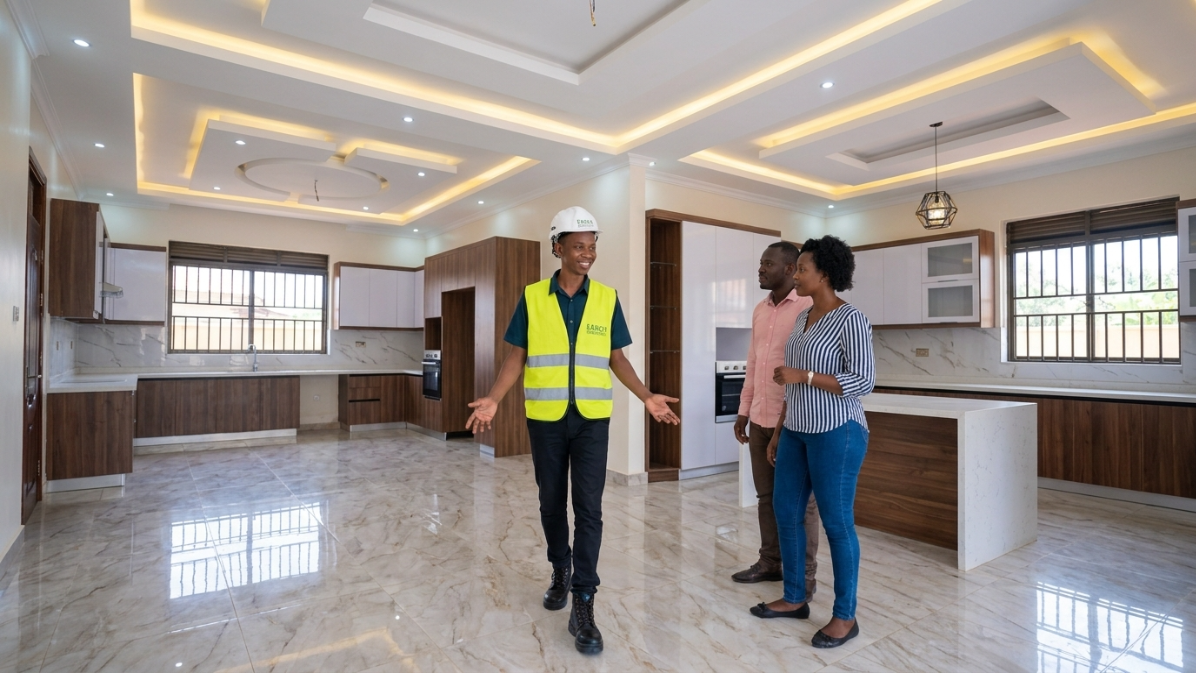
How to Save Cost When Building a House in Kenya: A Stage by Stage Money Saving Tips
Published by Earch Designers Ltd | Architecture, Design and Construction Consultants, Kenya
Building a house in Kenya does not have to drain your savings faster than planned. Most cost overruns happen not because materials are expensive but because decisions are made late, changes are made mid build or the wrong choices are made at the wrong stage. This guide walks through every stage of construction, from design to final finishes, and shows you exactly where smart decisions can save you real money without compromising the quality or safety of your home.
Before you start, get a realistic baseline for your project using our construction cost calculator so you know what you are working with and can measure your savings against an actual number.
Note: the percentages below are general industry guidance based on common cost saving practices in Kenya and will vary depending on your location, contractor and finish choices. Use them as a planning guide rather than a guarantee.
Stage 1: Design and Planning
The single biggest cost saving opportunity happens before a single block is laid. A well thought out design avoids expensive changes later and reduces wastage during construction.
- Design for a simple, regular floor plan. Rectangular or square footprints are cheaper to build than designs with many corners, curves or split levels because they use materials more efficiently and reduce wastage. This alone can save you roughly 10 to 15 percent on structural costs compared to a highly irregular design.
- Avoid mid construction design changes. Changing your mind after work has started, such as moving a wall or adding a room, is one of the most expensive mistakes a homeowner can make. A single major layout change after foundation work can add 5 to 10 percent to your total budget through demolition, rework and delays.
- Right size your house to your actual needs. Building a smaller, well planned house instead of an oversized one you do not fully need can save you 15 to 25 percent overall, since almost every subsequent cost, from foundation to roofing to finishes, scales with floor area.
Potential savings at this stage: 10 to 25 percent of total project cost, mostly protected rather than spent, since good planning prevents expensive mistakes later.
Stage 2: Approvals and Professional Fees
It can be tempting to skip professional drawings and use an unqualified drafter to save on fees, but this almost always costs more in the long run through rejected county applications, structural errors or poor material estimates.
- Get an accurate bill of quantities early. A detailed BOQ from a qualified quantity surveyor helps you buy exactly what you need rather than over ordering, which typically saves 5 to 8 percent on material costs alone.
- Bundle your approvals. Submitting architectural, structural and services drawings together to the county reduces repeat application fees and delays that can otherwise add unplanned holding costs to your project.
Potential savings at this stage: 5 to 8 percent, mainly through more accurate material quantities.
Stage 3: Foundation
Foundation work is not a stage to cut corners on for safety reasons, but there are still legitimate ways to control cost here.
- Get a proper soil test before designing your foundation. Skipping this and over engineering your foundation as a safety margin can waste 8 to 12 percent of your foundation budget on unnecessary concrete and steel that your soil conditions did not actually require.
- Source aggregate and hardcore locally. Transport costs for stone, sand and ballast can be significant, so sourcing from quarries close to your site instead of far away suppliers can save 10 to 15 percent on foundation material costs.
- Time your excavation and casting around the dry season. Rain delays on foundation work often lead to idle labor costs and materials sitting exposed on site, so scheduling this stage carefully can avoid an easy 5 percent in avoidable delay costs.
Potential savings at this stage: 10 to 15 percent of foundation costs, mainly through accurate engineering and local sourcing.
Stage 4: Walling and Superstructure
- Buy blocks or bricks in bulk directly from a manufacturer. Cutting out middlemen suppliers can save 8 to 12 percent on walling material costs, especially for larger homes that need thousands of blocks.
- Consider machine cut blocks over hand cut stone where thermal comfort is not a priority. Machine cut blocks are typically faster to lay and reduce mortar wastage, which can lower labor and material costs by around 10 percent compared to natural stone masonry in some areas.
- Avoid unnecessary structural embellishments. Decorative columns, arches and non structural features look attractive but add cost without adding livable space, often accounting for an avoidable 5 to 10 percent premium if not planned carefully from the start.
Potential savings at this stage: 10 to 20 percent of walling costs.
Stage 5: Roofing
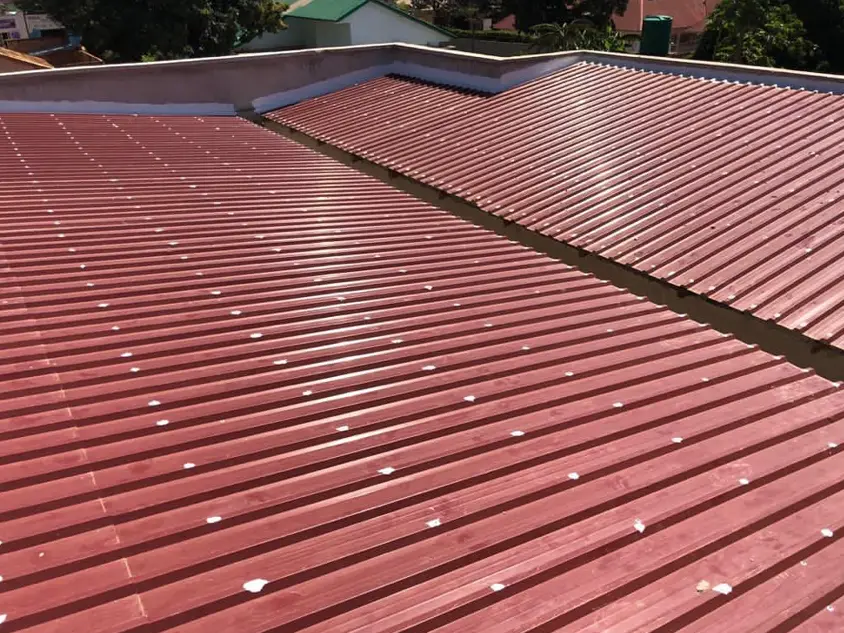
- Simplify your roof design. A straightforward gable or hip roof is considerably cheaper than complex multi level roofs with many valleys and junctions, which can add 15 to 20 percent to your roofing budget through extra trusses, flashing and labor.
- Choose durable, mid range roofing sheets over premium imported options. Good quality gauge 28 or 30 iron sheets from reputable local manufacturers can save you 20 to 30 percent compared to premium tiles or imported roofing systems while still lasting decades with proper maintenance.
Potential savings at this stage: 15 to 25 percent of roofing costs.
Stage 6: Plumbing and Electrical
- Plan fixture locations early. Grouping bathrooms and kitchens close together reduces the length of pipe runs and wiring needed, which can save 10 to 15 percent on plumbing and electrical material costs.
- Buy fittings once you know exact quantities from your BOQ. Avoid buying in small batches at retail prices, since bulk purchasing plumbing and electrical fittings can save around 8 to 10 percent compared to piecemeal buying as work progresses.
Potential savings at this stage: 10 to 15 percent.
Stage 7: Finishes
This is where the biggest and most flexible savings usually live, since finish choices have the widest price range of any stage.
- Choose locally manufactured tiles and sanitary ware over imported brands. Quality local and regional brands can save 20 to 40 percent compared to premium imported alternatives while still giving a clean, modern look.
- Phase your finishes if needed. Completing structural work and moving in with basic finishes, then upgrading kitchen cabinetry or built in wardrobes later, can ease cash flow pressure without increasing total lifetime cost.
- Compare finish tiers before committing. Use a tool like our construction cost calculator with card based quality selection to see the real cost difference between basic, standard and premium finishes before you buy anything, since the gap between tiers is often 25 percent or more of total finishing cost.
Potential savings at this stage: 20 to 40 percent of finishing costs, making it the single highest impact stage for cost control.
Stage 8: External Works and Completion
- Phase your compound work. A perimeter wall, driveway and landscaping do not need to be completed on day one, so spreading this cost over the months after you move in can reduce pressure on your main construction budget significantly.
- Get a proper snagging list at handover. Identifying and fixing minor defects before you make your final payment to the contractor avoids paying separately for corrective work later, which can otherwise cost 3 to 5 percent of contract value if left until after handover.
Potential savings at this stage: 5 to 10 percent, mostly through better cash flow timing.
Putting It All Together: Realistic Total Savings
When these strategies are combined across every stage rather than applied in isolation, homeowners in Kenya can realistically save between 15 and 30 percent on total construction cost compared to building without a plan, without compromising on structural safety or long term durability. The biggest wins come from getting your design right the first time and being deliberate about finish choices, since these two stages carry the widest cost ranges.
Frequently Asked Questions
What is the easiest way to save money when building a house in Kenya?
Getting your design finalized before construction starts and avoiding mid build changes is the single easiest and highest impact way to control cost, since changes made after work has started are far more expensive than changes made on paper.
Which stage offers the biggest cost saving opportunity?
Finishes typically offer the widest cost range, so choosing wisely between basic, standard and premium tiers can save homeowners 20 to 40 percent on that portion of their budget alone.
Should I cut costs on the foundation to save money?
No. Foundation work should never be reduced below what your soil test and structural engineer recommend, but you can still save through accurate engineering and local sourcing rather than by underbuilding.
How can I estimate my potential savings before I start building?
The best way is to run different scenarios through a location and quality based estimator. Try our free construction cost calculator to compare finish tiers and see how design choices affect your total budget before you spend anything.
Plan Smarter With Earch Designers
At Earch Designers Ltd we help homeowners across Kenya design cost efficient homes from day one, with clear guidance at every stage on where to spend and where to save. Whether you need architectural drawings, an accurate bill of quantities or full construction management, our team helps you build the home you want without unnecessary waste.
Get in touch with our team to start planning a cost efficient build today or read our companion guide on house construction stages in Kenya for a full breakdown of the building process.
Comments
0 CommentsLeave a Comment
Please log in or register to leave a comment.
Login / RegisterNo comments yet. Be the first to comment on this post!