

Buying Land in Kenya in 2026: The Complete Dos and Don'ts Guide
Buying land is one of the biggest investments most Kenyans will ever make. It can build generational wealth or become a nightmare of court cases, lost savings and sleepless nights.
In this comprehensive guide, I'll walk you through the essential dos and don'ts when buying land in Kenya in 2026. Whether you're a first-time buyer, diaspora Kenyan or investor planning to build your dream home, following these steps will protect your investment and set you up for success.
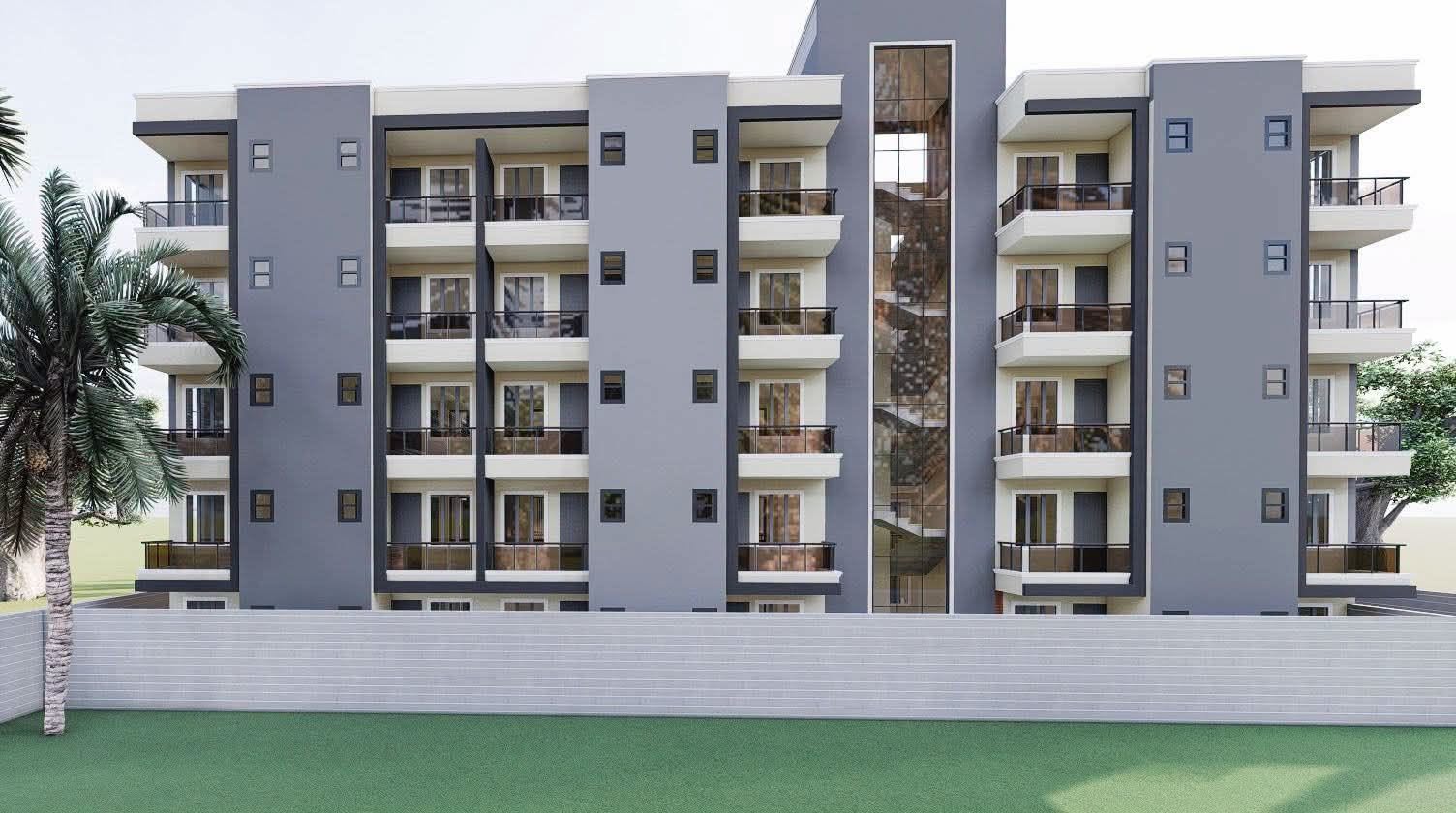
Ready to turn that plot into a beautiful home? Once you secure the right land, professional house designs can make all the difference. Check out our modern house designs in Kenya for inspiration tailored to local conditions — and when you're ready to build, Earch Designers can help customise a design that fits perfectly on your specific plot, taking into account its shape, slope and orientation.
Why Due Diligence Matters More Than Ever in 2026
Kenya's land sector has gone digital with platforms like Ardhisasa, but fraud, boundary disputes and unapproved subdivisions remain common. A clean title on paper doesn't always mean a clean deal on the ground. As a surveyor, my job often starts after problems arise, helping clients fix issues that could have been avoided.
Let's dive in.
Dos: Smart Steps to Take When Buying Land in Kenya
1. Do Conduct Thorough Due Diligence
Always start with an official land search at the Ministry of Lands (via Ardhisasa or in-person). Verify the title deed, current owner, encumbrances (charges, caveats or pending cases) and land rates.
- Get a lawyer involved early.
- Request the original title deed (not photocopies).
- Check for unpaid rates and stamp duty obligations.
Pro Tip: Combine this with a physical verification. I've seen too many buyers discover the "prime plot" they bought is actually half a swamp or overlaps a neighbor's boundary.
2. Do Hire a Licensed Land Surveyor for Beacon Verification
This is non-negotiable. Visit the site with the seller and a registered surveyor (licensed by the Director of Surveys and a member of ISK). Confirm beacons match the mutation map and area overview map.
A proper survey prevents future disputes and is essential before any construction. If you're planning to build soon, our team at Earch Designers can recommend surveyors who integrate seamlessly with architectural planning.
3. Do Understand the Land Type and Zoning
- Freehold vs. Leasehold: Kenyans can own freehold; foreigners are limited to 99-year leasehold.
- Check county zoning: Is it residential, agricultural or commercial?
- Avoid riparian reserves (near rivers/lakes) or road reserves — building there is illegal.
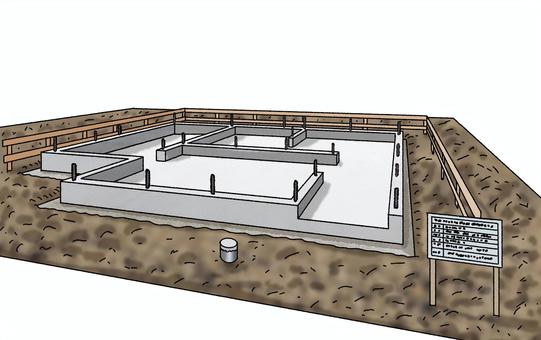
Research topography, soil type, flood risk and access to utilities (water, electricity, roads). A sloped plot might need special foundations — something we account for in our custom house plans.
4. Do Get All Necessary Consents and Approvals
For agricultural land, obtain Land Control Board (LCB) consent. Spousal consent is mandatory for matrimonial property. Ensure the subdivision (if any) was approved by the county government.
5. Do Visit the Land Multiple Times
Go during dry and rainy seasons. Talk to neighbors. Walk the boundaries. Don't rely solely on drone photos or agent promises.
6. Do Work with Professionals
- Advocate (lawyer)
- Licensed surveyor
- Reputable agent (check credentials)
7. Do Budget for All Costs
Beyond the purchase price: stamp duty (4% urban, 2% rural), legal fees, survey costs, transfer fees, and development approvals. Factor in future building costs — explore our affordable 3-4 bedroom house designs that optimize land use.
Don'ts: Costly Mistakes to Avoid When Purchasing Land in Kenya
1. Don't Pay Before Signing a Proper Sale Agreement
Never pay a deposit (even 10%) without a lawyer-drafted sale agreement. Full payment should only happen after transfer and new title issuance.
2. Don't Buy Without Physical Verification
Avoid "buying from photos" or trusting distant relatives selling on your behalf. Scams are rampant, especially with diaspora buyers.
3. Don't Ignore Spousal or Family Consent
Matrimonial property requires spousal consent. Buying from estates without completed succession is risky.
4. Don't Rush the Process
Land buying in Kenya can take weeks to months. Pressure tactics like "limited time offer" are often red flags.
5. Don't Skip Checking for Encroachments or Disputes
Boundary disputes are common. A surveyor's input here is gold. I've re-beaconed many plots where fences were meters off.
6. Don't Buy Unapproved Subdivisions or Fake Titles
Verify everything through official channels. Fake titles still circulate despite digitization.
7. Don't Develop Before Approvals
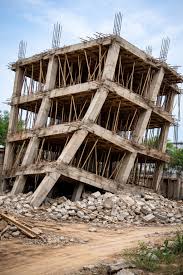
Building without county plans, NEMA approvals or building permits can lead to demolition orders. Plan your dream home properly — our architectural services ensure compliance from day one.
Additional Tips from a Surveyor's Lens
- Access and Infrastructure: Ensure legal road access (not through someone else's plot).
- Future Value: Consider proximity to schools, hospitals, markets and upcoming infrastructure projects.
- Environmental Factors: In flood-prone areas like parts of Nairobi or coastal regions, elevated designs are crucial.
Common Challenges and How to Overcome Them
- Fraud: Use Ardhisasa and professionals.
- Bureaucracy: Patience and follow-ups are key.
- Boundary Issues: A professional survey fixes most.
- Cost Overruns: Proper planning saves money long-term.
Frequently Asked Questions
What is the most important step before buying land in Kenya?
Conducting thorough due diligence — an official land search via Ardhisasa or the Ministry of Lands, title deed verification, and a physical site visit with a licensed surveyor.
Do I need a licensed surveyor when buying land in Kenya?
Yes. A licensed surveyor confirms boundary beacons match the mutation map and area overview map, preventing future disputes.
How much is stamp duty when buying land in Kenya?
Stamp duty is typically 4% in urban areas and 2% in rural areas, plus legal fees, survey costs, transfer fees, and development approvals.
Can foreigners own land in Kenya?
Foreigners are limited to 99-year leasehold ownership, while Kenyan citizens can own land freehold.
Invest Wisely and Build Confidently
Buying land in Kenya is an exciting journey that can secure your family's future. By following these dos and don'ts, you minimize risks and maximize opportunities. Remember: a great plot deserves a great home.
At Earch Designers, we specialize in turning raw land into stunning, functional living spaces. Browse our collection of Kenyan house designs or contact us for personalized architectural plans that respect your land's unique characteristics — whatever your plot's size, shape or slope, our team can customise a design to fit it perfectly.
Have questions about a specific plot? Drop a comment below or reach out — I'm happy to share surveyor insights. Secure the land right, design it better and build your legacy.
Disclaimer: This is general advice based on experience. Always consult a qualified lawyer and licensed surveyor for your specific transaction.
Comments
0 CommentsLeave a Comment
Please log in or register to leave a comment.
Login / RegisterNo comments yet. Be the first to comment on this post!